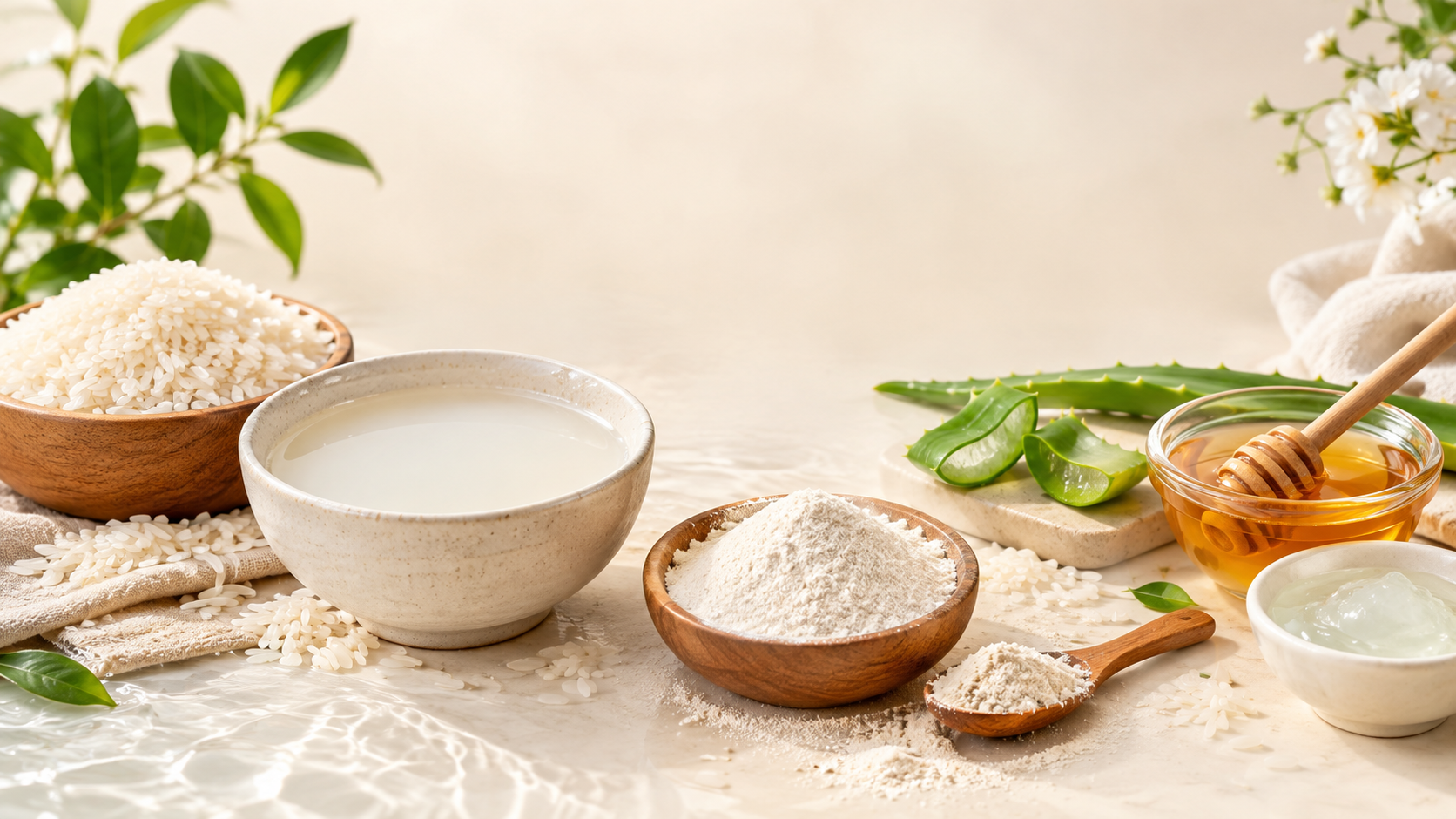
Rice is more than just a staple food—it has also been used in traditional beauty routines for generations. Rice water, rice powder, and rice-based masks are popular DIY skincare options because they are simple, affordable, and easy to prepare at home.
If you’re looking for a gentle way to add freshness and radiance to your skincare routine, rice can be an interesting ingredient to try. However, it’s important to remember that DIY skincare cannot permanently change your natural skin tone. The goal should be healthy, hydrated, and naturally radiant-looking skin.
Here are 5 simple ways to use rice for glowing skin.
1. Rice Water as a Facial Rinse
Rice water is the liquid left after soaking or cooking rice. It is traditionally used as a simple skin rinse.
How to make it:
- Take ½ cup of uncooked rice.
- Wash it thoroughly.
- Add 1–1½ cups of clean water.
- Soak for around 20–30 minutes.
- Strain the water into a clean container.
How to use:
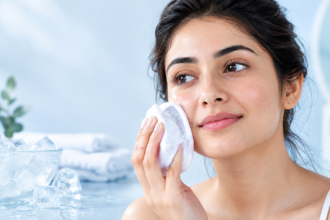
After cleansing your face, apply the rice water gently using clean hands or a cotton pad. Leave it on for a few minutes and rinse with clean water.
Tip: Prepare a fresh batch regularly and store it properly. If it develops an unusual smell or appearance, discard it.
2. Rice Powder Face Mask
Finely ground rice powder can be used as a simple face mask. It can help provide gentle physical exfoliation when used carefully.
Ingredients:
- 1 tablespoon rice powder
- 1–2 teaspoons plain yogurt or aloe vera gel
- A little water, if needed
Method:
Mix the ingredients into a smooth paste. Apply a thin layer to clean skin and leave it on for about 10 minutes. Rinse gently without scrubbing aggressively.
This can leave your skin feeling smoother and refreshed.
Important: Avoid vigorous rubbing, especially if you have sensitive or acne-prone skin.
3. Rice and Aloe Vera Soothing Mask
Aloe vera is commonly used in skincare for its soothing and hydrating properties. Combining it with rice powder creates a simple DIY mask.
Ingredients:
- 1 tablespoon finely ground rice powder
- 1 tablespoon pure aloe vera gel
How to use:
Mix the ingredients thoroughly and apply a thin layer to your face. Leave it for approximately 10–15 minutes, then rinse with lukewarm or cool water.
Follow with a gentle moisturizer.
This method can be especially useful when your skin feels dry or looks tired.
4. Rice and Honey Hydrating Mask
Honey is a humectant, meaning it can help attract and retain moisture. Combined with rice powder, it can make a simple hydrating face mask.
Ingredients:
- 1 tablespoon rice powder
- 1 teaspoon honey
- A few drops of water
Method:
Mix everything into a smooth paste and apply evenly to your face. Leave it for around 10 minutes before rinsing thoroughly.
Finish with your regular moisturizer.
Note: Avoid honey if you know you are allergic to it.
5. Rice Water + Your Regular Skincare Routine
You don’t necessarily need to create complicated DIY masks. A simple routine can be more practical.
After cleansing, you can use properly prepared rice water as an optional step, followed by:
- A gentle moisturizer
- Sunscreen during the daytime
- Your usual skincare products suited to your skin type
Sunscreen is particularly important because UV exposure can contribute to tanning, uneven pigmentation, and premature skin aging.
What Are the Benefits of Rice for Skin?
Rice-based skincare is popular because rice contains various compounds, including starches and antioxidants. However, evidence for DIY rice preparations specifically producing dramatic skin-brightening effects is limited.
Potential benefits of a gentle rice-based routine may include:
- Skin feeling smoother
- Temporary improvement in skin softness
- A refreshed appearance
- Mild physical exfoliation when rice powder is used carefully
- Additional hydration when combined with moisturizing ingredients
The results can vary depending on your skin type and overall skincare routine.
Can Rice Make Your Skin Fairer?
No skincare ingredient can safely and permanently change your natural skin colour.
Rice-based products may help your skin look fresher, smoother, and more radiant, particularly when combined with good hydration and daily sun protection. If you have persistent dark spots, pigmentation, or uneven skin tone, consider speaking with a dermatologist rather than relying solely on DIY remedies.
How Often Should You Use Rice on Your Face?
For most people, starting with 1–2 times per week is reasonable for a DIY rice mask.
If you are using rice powder, avoid excessive scrubbing because over-exfoliation can irritate the skin and potentially make pigmentation look worse.
Always listen to your skin and stop if you experience burning, itching, redness, or irritation.
Safety Tips Before Using Rice on Your Skin
Before trying any DIY skincare method:
- Perform a patch test first.
- Use clean ingredients and utensils.
- Avoid applying the mixture to broken or irritated skin.
- Don’t scrub your face aggressively.
- Don’t use spoiled or fermented-smelling rice water.
- Stop immediately if irritation develops.
- Use sunscreen every morning.
If you have eczema, rosacea, severe acne, or another skin condition, consult a dermatologist before experimenting with DIY skincare.
Final Thoughts
Rice can be a simple addition to a skincare routine when used appropriately. From rice water and rice powder masks to combinations with aloe vera or honey, there are several easy methods you can try at home.
However, glowing skin isn’t about one miracle ingredient. Consistent cleansing, adequate hydration, moisturizer, sun protection, sleep, and a skincare routine suited to your skin type are much more important for maintaining healthy-looking skin.
If your main concern is persistent pigmentation, acne marks, or uneven skin tone, professional dermatological advice can help you choose treatments that are better supported by evidence.
Frequently Asked Questions
1. Can I use rice water on my face every day?
It isn’t necessary to use rice water every day. Start occasionally and see how your skin responds. If you experience irritation or dryness, discontinue use.
2. Does rice remove dark spots?
Rice-based DIY remedies should not be considered a proven treatment for dark spots. Persistent pigmentation may require targeted skincare or professional treatment.
3. Can rice powder exfoliate the skin?
Yes, finely ground rice powder can provide physical exfoliation. However, rubbing too hard can irritate the skin, so use gentle movements.
4. Is rice suitable for sensitive skin?
It may be tolerated by some people, but sensitive skin can react to almost any new ingredient. Always patch test first.
5. What is the most important step for brighter-looking skin?
Daily sunscreen is one of the most important skincare habits for preventing UV-related tanning and pigmentation. A consistent, gentle skincare routine also helps maintain healthy-looking skin.