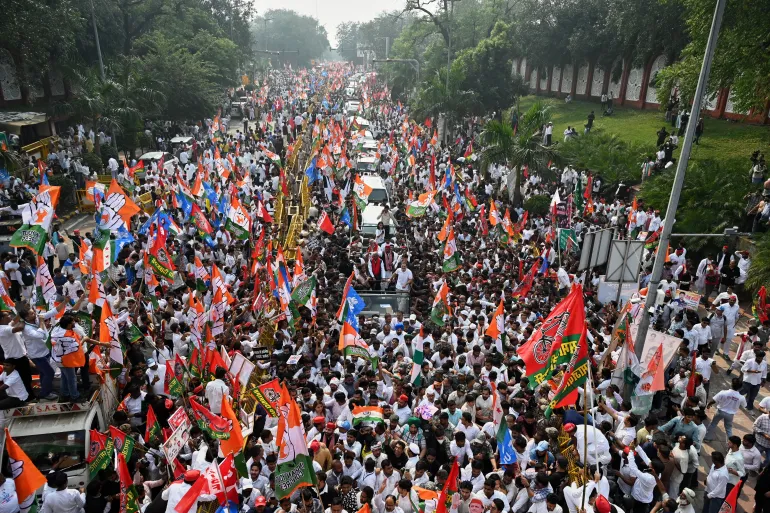
New Delhi, November 1, 2026: Thousands of people gathered at Delhi’s historic Ramlila Maidan to protest against the Election Commission of India’s voter-list revision process and demand the resignation of Chief Election Commissioner Gyanesh Kumar.
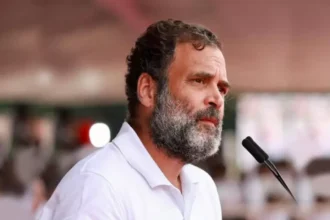
The demonstration was led by Congress leader Rahul Gandhi, alongside several opposition leaders and supporters. The protest has brought renewed attention to questions surrounding voter registration, electoral transparency and the independence of India’s Election Commission.
Why Are Thousands of People Protesting?
The main issue behind the demonstration is the Special Intensive Revision (SIR) of electoral rolls, a process undertaken to review and update voter lists.
Opposition parties have raised concerns about the removal of millions of names from voter lists. They claim that eligible citizens, including members of minority communities, may have been unfairly excluded from the electoral process.
Protesters are demanding greater transparency in the revision process and accountability from the Election Commission.
Opposition Parties Raise Concerns Over Voter Rights
Rahul Gandhi and other opposition leaders have questioned the way voter-list revisions are being conducted. They argue that every eligible Indian citizen must have the opportunity to exercise their constitutional right to vote.
The opposition has also called for stronger safeguards to prevent genuine voters from being removed from electoral rolls without proper verification and an opportunity to appeal.
What Is the Election Commission’s Response?
The Election Commission maintains that voter-list revisions are necessary to ensure accurate electoral records. Such exercises are intended to identify duplicate entries, deceased voters and individuals who are no longer eligible to remain registered at a particular address.
The Commission’s position is that the process is administrative and aimed at maintaining the accuracy of voter lists. The BJP has also rejected allegations of political interference.
Why Is This Protest Important for Indian Democracy?
India is the world’s largest democracy, and the Election Commission plays a central role in conducting free and fair elections.
The controversy highlights several important democratic issues:
Voter Rights: Every eligible citizen should be able to participate in elections.
Electoral Transparency: Voter-list revisions should be clear, accountable and verifiable.
Institutional Independence: The Election Commission’s decisions must maintain public confidence.
Political Accountability: Concerns raised by political parties and citizens require transparent responses.
What Happens Next?
The protest has increased political pressure on the Election Commission and brought the voter-list revision process into national discussion.
Whether the demands for the Chief Election Commissioner’s resignation lead to further political or institutional developments remains to be seen.
As India moves towards its next general election, expected in 2029, the debate over voter registration and electoral transparency is likely to remain an important political issue.