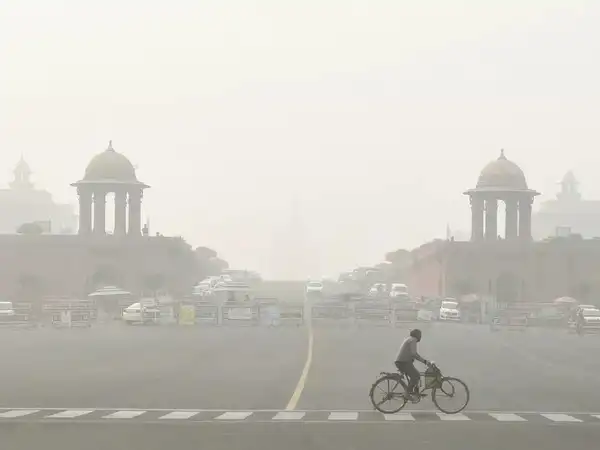
Air quality in the national capital and its neighboring areas has drastically fallen, as seen from the Air Quality Index that has gone beyond 400 in some monitoring points. Consequently, the Commission for Air Quality Management has triggered Phase 3 of the Graded Response Action Plan, which is a drastic measure involving the prohibition of non-essential construction activities, restriction on the industrial use of polluting fuels, and limitation of heavy trucks. Officials attribute the drastic rise in pollution to factors such as the burning of crop residues in the nearby states, pollution from vehicles and construction, and cold weather that keeps pollutants close to the ground. Burning of stubble is less than that of previous years but other factors have still made the situation worse. The increasing pollution is a severe threat to the lungs of the entire population of Delhi (30 million people) and particularly the young, elderly, and those with existing lung conditions. The government has advised the public to stay indoors as much as possible and wear masks; in the meantime, the environmental health problem is still growing, with more and more people advocating for permanent changes in urban planning and pollution control to be done.
Delhi and northern states face severe air-quality crisis, government enforces Stage 3 curbs
Previous Article Next Article
Pine Labs’ IPO fully subscribed on final day in India
Turkey, Egypt to discuss Gaza cease-fire, post-war reconstruction