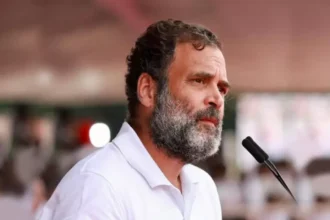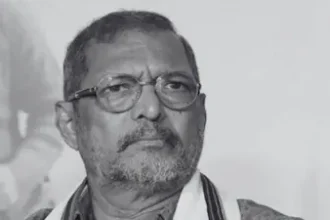
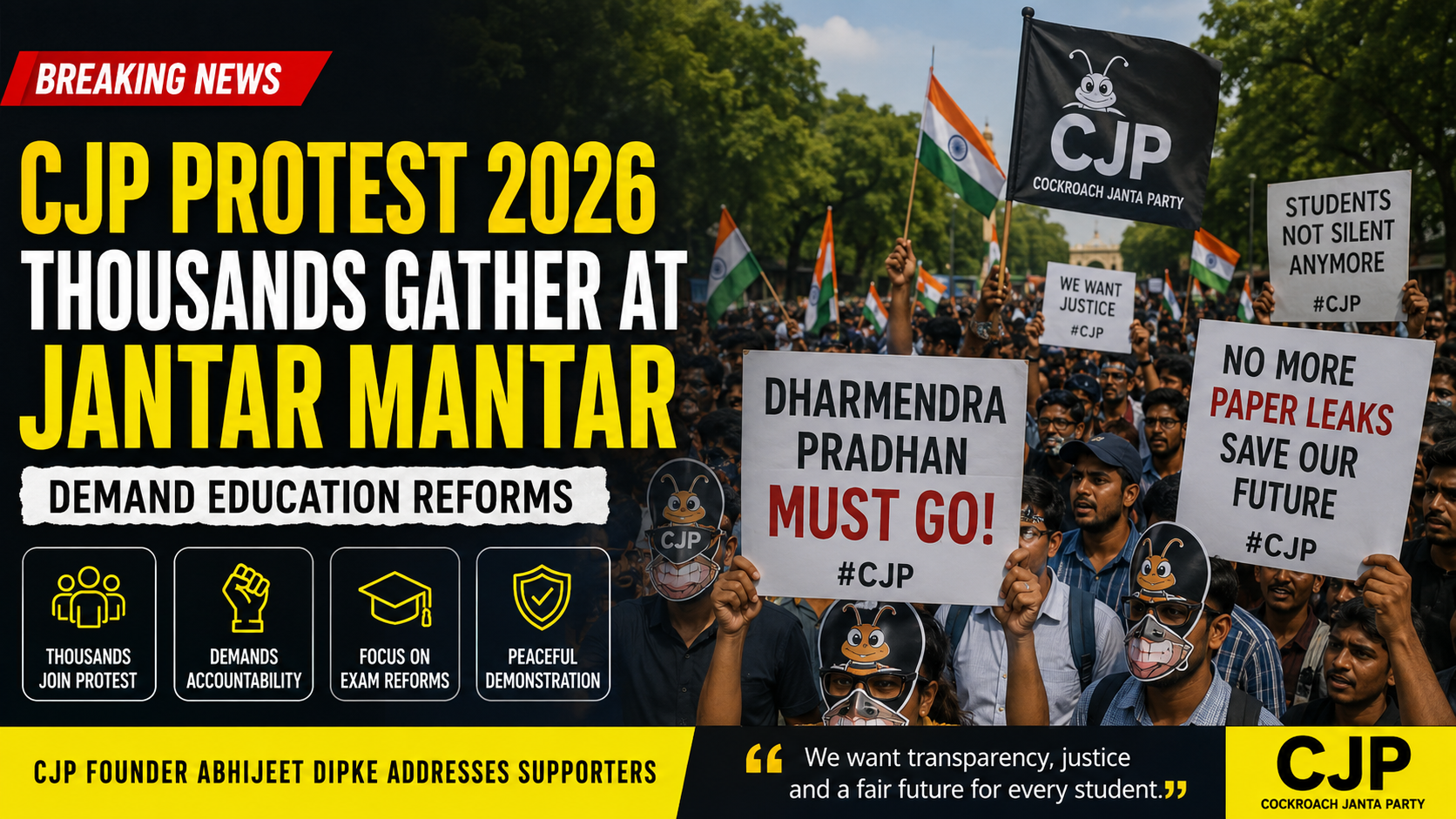
The CJP movement was launched from social media platform and quickly went viral on nation-wide becoming one of the largest online movements led by youth. Various activists and politicians too came out in support of the protest, bolstering the protest movement even further. The primary issues that provoked the demonstration were examination irregularities, recruitment processes and transparency in the Indian education system.
The CJP movement started on a social media platform and rapidly grew in popularity all across the country to one of the largest youth-driven online movements in recent times. Sources suggest that CJP has attracted millions of supporters. This is mainly because a large proportion of these supporters are students who are highly frustrated due to leaking of question papers, examination controversies and unemployment.
Prime Demand is the Resignation of Education MinisterThe founder of CJP, Abhijeet Dipke, demanded the resignation of the Union Education Minister, Dharmendra Pradhan, during the protest. Students claimed that number of times, exam controversies have jeopardized the future of numerous students and job seekers. “We want transparent examinations and accountability, and we won’t stop till we achieve this. We are prepared to take this movement across the country if our demands are not heard,” said Dipke to the massive crowd present at the protest.
Peaceful Rally under Heavy SecurityAuthorities had tightened the security around Jantar Mantar as well as the capital. Despite fears that the event could lead to unrest, the rally was fairly peaceful. Most supporters wore either flower garlands or brought books, national flags, and cockroaches mask. The Delhi Police maintained a strong presence at the event to manage the crowd, though sources say a few protesters were briefly detained. No untoward incident has been reported as of now.
Increasing Youth AngerAccording to several analysts, the quick rise of the CJP movement indicates increasing angst among Indian youth. Students have brought all the online discussions about employment, competitive tests and recruitment issues to the public sphere. Several activists and politicians have also shown their support for the protest, giving the movement further impetus.