
Europe Faces a Deadly Heatwave
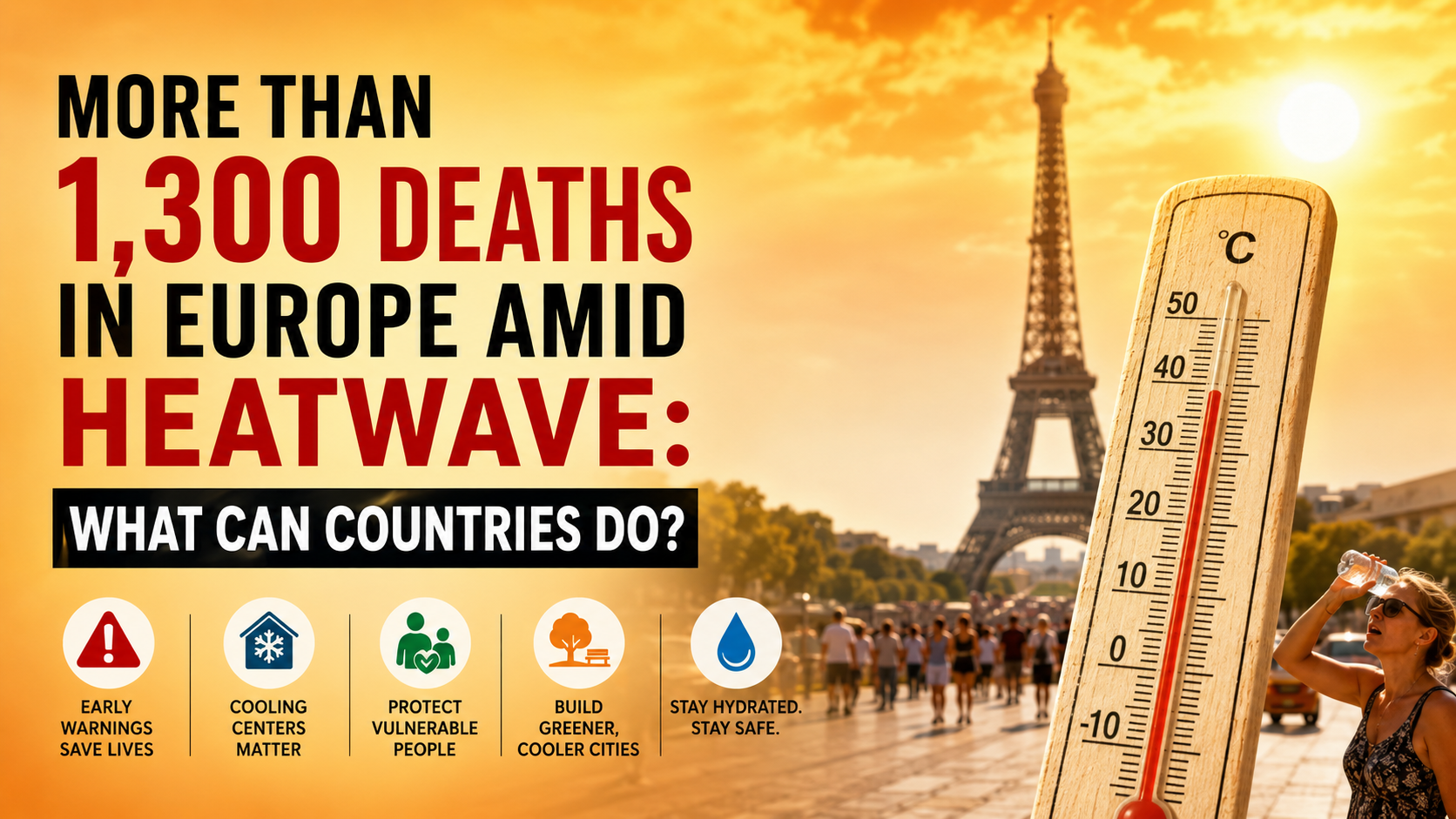
Europe is currently experiencing one of its most severe heatwaves in recent years, with temperatures soaring above 40°C (104°F) in several countries. According to health officials, more than 1,300 people have died due to the extreme heat, highlighting the growing impact of climate-related disasters across the continent.
Countries including France, Italy, Germany, Spain, Poland, and the Czech Republic have been among the hardest hit. Hospitals, emergency services, and public health systems are under significant pressure as authorities respond to the crisis.
Why Is This Heatwave So Dangerous?
Extreme heat is more than just uncomfortable—it can become life-threatening, especially for vulnerable groups such as:
- Older adults
- Young children
- People with heart, lung, or kidney diseases
- Outdoor workers
- Individuals without access to air conditioning or cooling shelters
Prolonged exposure to high temperatures can lead to dehydration, heat exhaustion, heatstroke, and worsening of existing medical conditions.
What Is Causing the Heatwave?
Meteorologists say the current heatwave is the result of a combination of factors, including:
- Persistent high-pressure weather systems trapping hot air.
- Dry conditions that increase land temperatures.
- Rising global temperatures linked to climate change.
Scientists have warned that heatwaves are becoming more frequent, longer-lasting, and more intense due to global warming.
Countries Most Affected
Several European nations have reported record-breaking temperatures and increased heat-related emergencies:
- France has experienced a sharp rise in hospital admissions due to heat-related illnesses.
- Italy has issued the highest-level heat alerts in many major cities.
- Germany and Poland have seen unusually high temperatures affecting daily life.
- Parts of the Balkans have also faced extreme heat along with an increased risk of wildfires.
Authorities continue to monitor the situation as temperatures remain dangerously high.
Health Risks During Extreme Heat
Extreme heat can cause serious health problems, including:
- Heatstroke
- Heat exhaustion
- Severe dehydration
- Low blood pressure
- Heart attacks
- Breathing difficulties
- Kidney complications
Medical experts advise seeking immediate medical attention if someone experiences confusion, loss of consciousness, a body temperature above 40°C, or stops sweating despite the heat.
What Can Countries Do to Reduce Heatwave Deaths?
Experts recommend several measures to protect people during extreme heat events.
1. Strengthen Early Warning Systems
Governments should provide timely weather alerts so people can prepare before temperatures become dangerous.
2. Open Cooling Centers
Public buildings such as community halls, schools, and libraries can serve as cooling shelters for people without air conditioning.
3. Protect Vulnerable People
Local authorities should regularly check on elderly residents, people living alone, and those with chronic illnesses.
4. Improve Urban Planning
Planting more trees, increasing green spaces, and creating shaded public areas can help reduce urban temperatures.
5. Upgrade Healthcare Systems
Hospitals and emergency services should be prepared for increased cases of heat-related illnesses during summer months.
6. Promote Public Awareness
Governments should educate citizens about staying hydrated, avoiding outdoor activities during peak heat hours, and recognizing symptoms of heatstroke.
7. Address Climate Change
Long-term investments in renewable energy, sustainable infrastructure, and climate adaptation strategies are essential to reduce the future impact of extreme weather events.
How Individuals Can Stay Safe
You can reduce your risk during extreme heat by following these simple precautions:
- Drink plenty of water throughout the day.
- Stay indoors during the hottest hours (11 AM–4 PM).
- Wear light-colored, loose-fitting clothing.
- Use fans or air conditioning whenever possible.
- Avoid strenuous outdoor activities.
- Check on elderly family members and neighbors.
- Never leave children or pets inside parked vehicles.
The Bigger Picture
Climate experts warn that Europe—and many other regions worldwide—will likely face more frequent and intense heatwaves in the coming years. This event serves as a reminder that adapting to climate change is becoming increasingly important for governments, communities, and individuals alike.
Building resilient cities, improving emergency preparedness, and protecting vulnerable populations will play a critical role in reducing future heat-related deaths.